
Puzzle Creek Reference
For more than two centuries a story has been told in Rutherford County, North Carolina: that Abraham Lincoln was born not in Kentucky but in a log cabin on a hill above Puzzle Creek, a few miles from the small railroad town of Bostic. This site is an independent guide to that story — where it came from, who wrote it down, what it rests on, and why historians do not accept it.
The claim, stated plainly
In the version most often repeated, Nancy Hanks was bound out as a young woman into the household of Abraham Enloe, a prosperous farmer whose land lay in Rutherford County before the family moved west to Oconaluftee, near Cherokee. She is said to have borne a dark-haired son there, whom she named Abraham; to have left the county with the child in a wagon train; and to have married Thomas Lincoln in Kentucky some time afterwards. The tradition therefore makes two separate claims at once — one about where Lincoln was born, and one about who his father was.
Both are contested, and they are not equally strong. The paternity rumour circulated in Lincoln's own lifetime and was recorded by people close to him. The North Carolina birthplace is a later, more local, and much weaker addition, and it is the part that carries the greatest evidential burden — because a birth in Rutherford County around 1805 has to be reconciled with a documented Kentucky birth in February 1809.
Why a discredited story is still worth studying
Folk traditions are historical evidence about something, even when they are wrong about the thing they claim. The Rutherford County story tells us a great deal about how a rural southern community remembered itself in the nineteenth century, how a rumour recorded by Lincoln's law partner travelled south and acquired local scenery, and how a county with little else in the national narrative found a way into it. Read as folklore rather than as biography, it is genuinely interesting — and it has produced a small, distinctive literature of its own, running from 1899 to the present day.
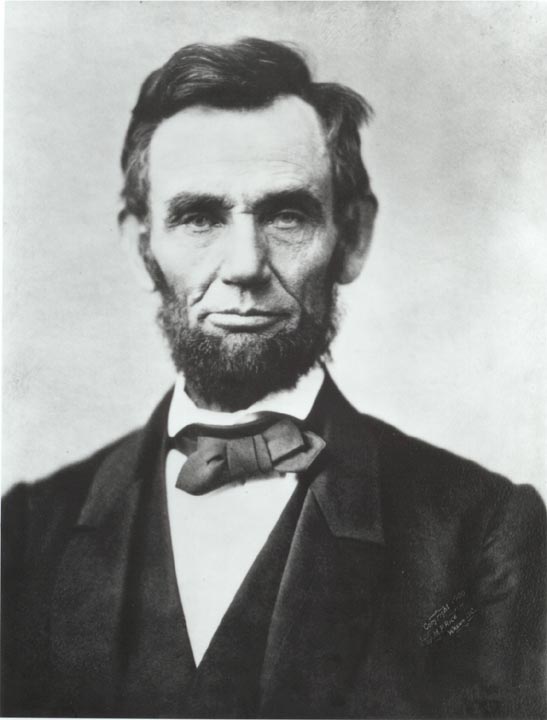
It has also been treated seriously enough by regional broadcasters, newspapers and heritage bodies that a reader encountering it for the first time can easily mistake advocacy for scholarship. The tradition can be laid out in full, with every source named and compared with the documentary record described by the Abraham Lincoln Birthplace National Historical Park and every standard biography describe.
How to explore the subject
- The Rutherford County tradition — the story as it is actually told, with the specific books, letters and oral sources each element comes from.
- Weighing the evidence — the Kentucky record, the chronology problem, and what a claim like this would need in order to be taken seriously.
- The literature — an annotated bibliography from Cathey's The Genesis of Lincoln (1899) forward, including the titles that ought to carry a warning label.
- The storykeepers — the writers, playwrights and local collectors who kept the account alive.
- The 2007 forum and the DNA question — the one occasion on which the tradition's own advocates tried to design a decisive test.
- Places in the story — Puzzle Creek, Lincoln Hill, Concord Baptist Church and the Bostic depot, and what is and is not accessible.
- In print and on air — how the story travelled through newspapers, magazines and television.
- Research it yourself — the public archives and collections where the underlying records actually live.
A note on method
Everything on this site is attributed. Where a claim comes from a specific book, letter, broadcast or public meeting, that source is named in the sentence that makes the claim, so a reader can weigh it without taking this site's word for anything. Where a source is unreliable, discredited or written to serve an argument, that is said in the same breath as the citation rather than buried. Where the record is simply silent — which, for most of this story, it is — the gap should remain unfilled.
The one thing this site will not do is present the Rutherford County account as settled. It is not settled, it is not close to settled, and the most candid sentence in the entire tradition was spoken by one of its own invited speakers in 2007: I have not found proof that Lincoln was born here, and I know of no method of proof that he was, except through DNA.